RIVER INITIATIVE:
Restoring Integrity, Vitality, and Ecosystem Resilience in the San Jacinto River Watershed
The RIVER Initiative translates complex environmental data and cleanup decisions into practical guidance that empowers residents and river stakeholders to participate meaningfully in remediation and safeguard the river's water quality and ecosystem for future generations.
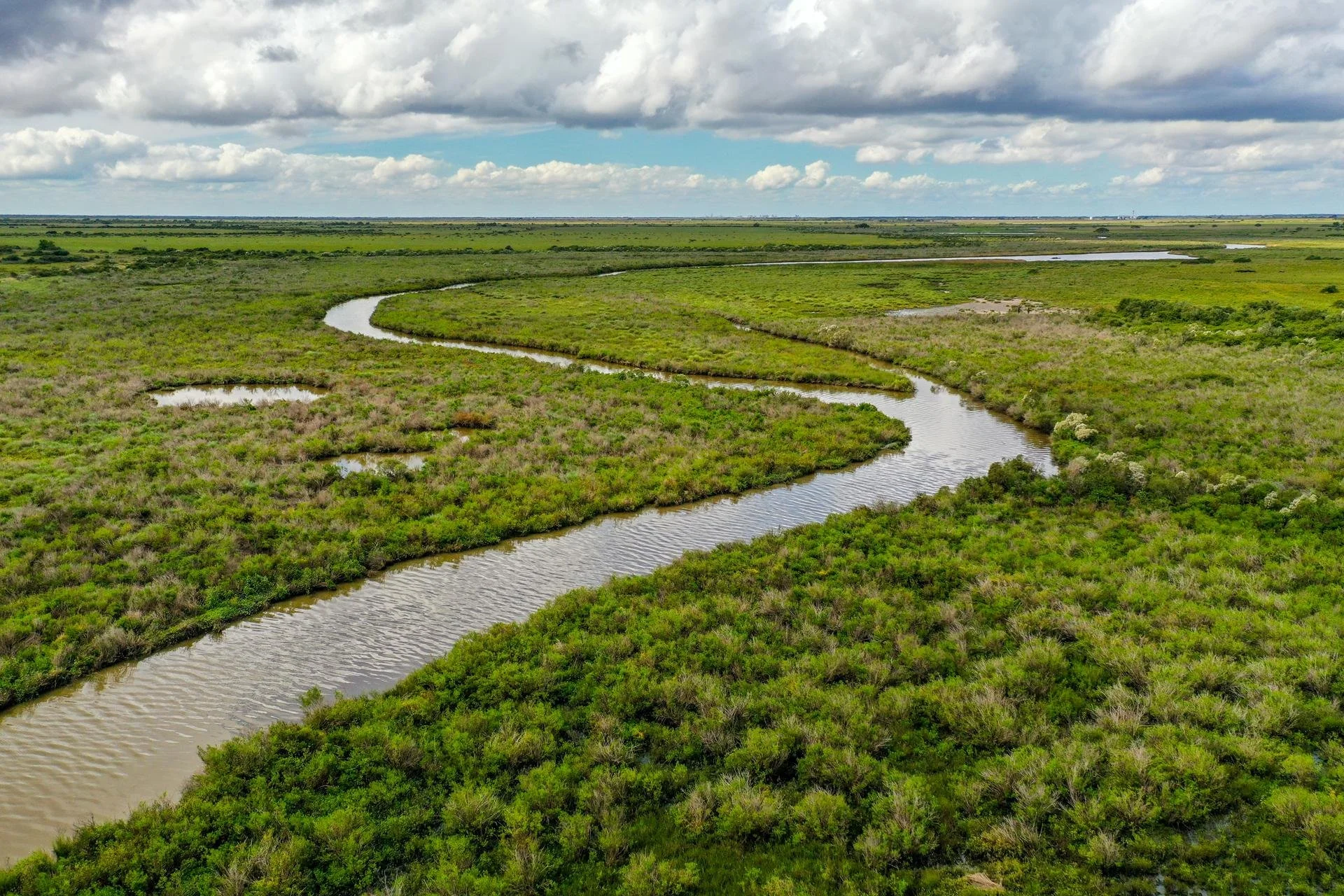
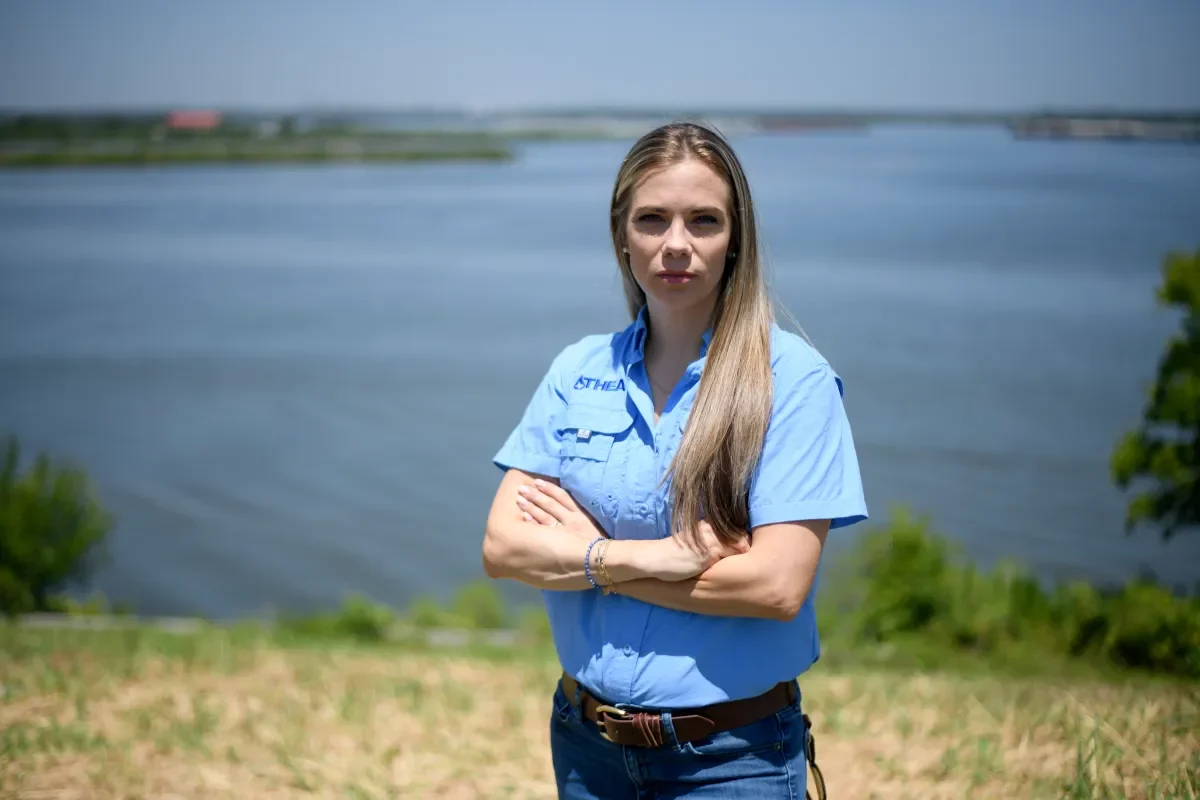
The RIVER Initiative is rooted in THEA’s long-standing commitment to protecting the San Jacinto River. This work is deeply personal to THEA as Jackie Medcalf’s (Founder and Executive Director of THEA) family experienced significant health complications while living next to the river. What began as one family’s search for answers grew into a profound effort to protect the San Jacinto River, the wildlife and habitat it sustains, the groundwater local communities depend on, and the people and other beings that call this area home.
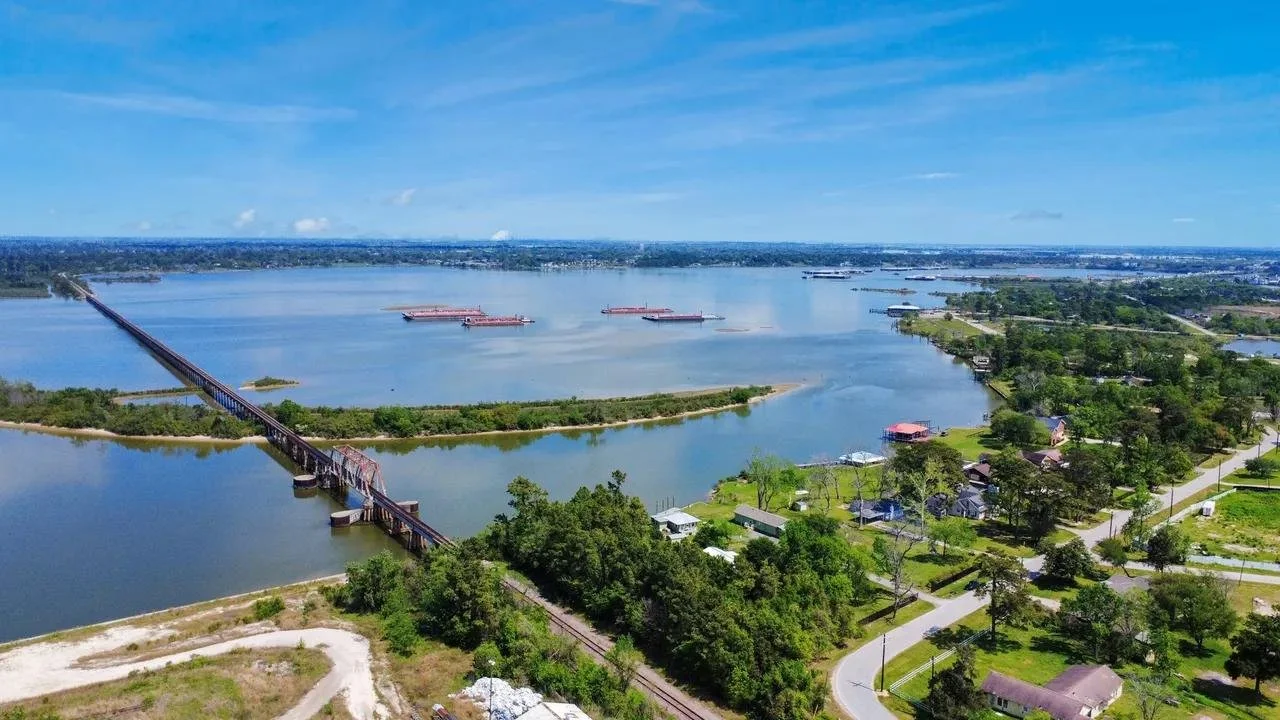
The San Jacinto River Waste Pits Superfund Site sits within the San Jacinto River, where historic pulp and paper mill waste contaminated with dioxins and furans was disposed of in the 1960s. This created a long-term threat to the river’s sediment, fish, freshwater and migratory species, habitat, and surrounding water resources and communities.
Broader Benefit
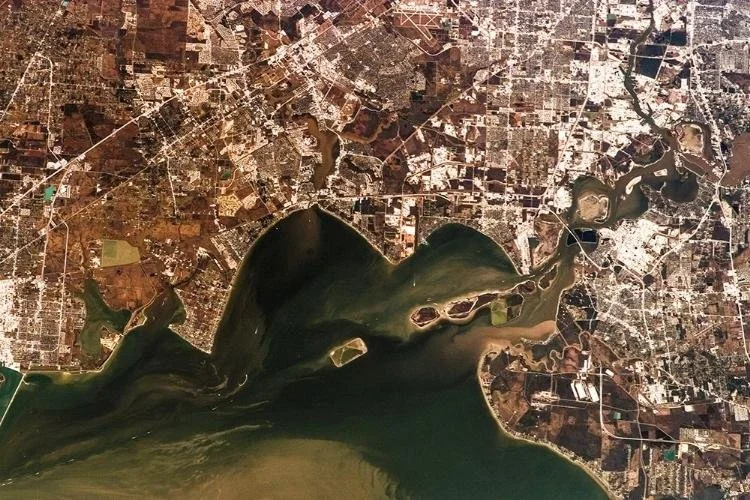
The RIVER Initiative is focused on the San Jacinto River Watershed, with primary activities centered on the river corridor from the Lake Houston Dam and to Upper Galveston Bay. Although project activities are concentrated within this portion of the watershed, the environmental benefits extend beyond it. The San Jacinto River flows into Galveston Bay, connecting the restoration and protection of the river to the health of the estuarine habitat, fisheries, wildlife, and coastal waters beyond the immediate project area. Preventing additional dioxin-contaminated waste from moving through the river system will help protect not only nearby communities and habitat, but also the broader Bay system and the Gulf waters it ultimately reaches.
Contribution to Quality of Life, Broader Community, & Environmental Benefits
The RIVER Initiative will contribute to quality of life and broader environmental benefits by helping restore trust, stewardship, and long-term protection around one of the region's most important natural resources. By keeping residents and river stakeholders informed and engaged during the cleanup process, THEA will help ensure that decisions affecting the river are understood by the people closest to it and shaped by future watershed protection needs.
The project’s environmental benefits are rooted in prevention. Supporting safe removal of remaining legacy waste helps reduce the risk of further damage to sediment, fish, habitat, water resources, and upstream/downstream ecosystems. Its community benefits are rooted in capacity building and community well-being. Through environmental health education, coalition building, technical translation, risk communication, and consistent public updates, the RIVER Initiative will strengthen the ability of residents and local stakeholders to participate in the long-term stewardship of the San Jacinto River as well protect residents from the adverse impacts of contaminant exposure.
Over time, this work will help build a more resilient watershed and a more connected community around it. Each meeting, update, and educational resource helps turn technical cleanup information into shared understanding and shared responsibility. The San Jacinto River’s recovery is not only about removing contamination from the past. It is about protecting a living resource so future generations can know it as a river worth trusting, using, and caring for.
Target Geograhic Area
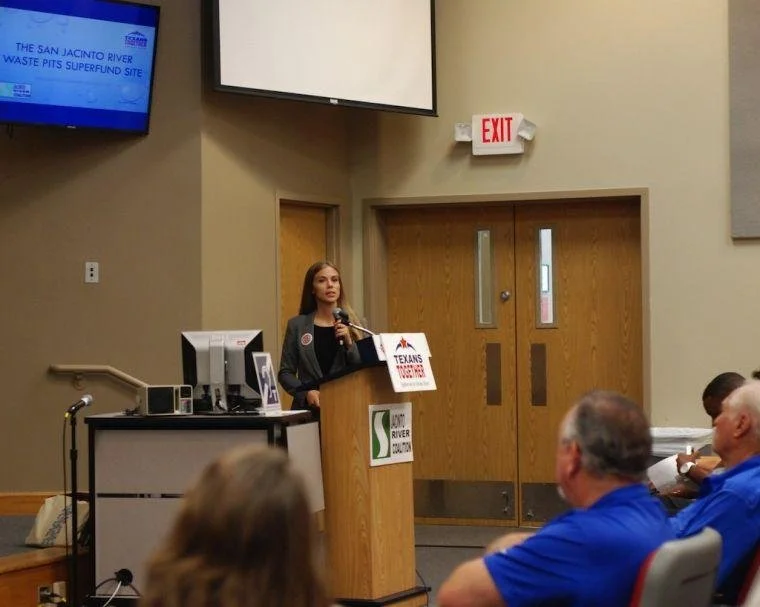
This initiative will serve residents living near the river, families who rely on its natural resources, fishermen, civic leaders, community groups, and other local stakeholders who need clear and timely information about legacy contamination and cleanup progress. Many of these residents live within an area that a state health assessment identified as a cancer cluster. Across the 65 census tracts studied, rates of cervical cancer, leukemia, lung and bronchus cancer, and lymphoma were higher than expected. This documented health burden makes access to clear, trustworthy information especially important for families already living with serious health concerns and uncertainty about the environment around them. THEA will also engage the San Jacinto River Coalition, a long-standing network of residents and partners who have worked for years to protect the river and make sure cleanup decisions remain visible, accountable, and connected to the people closest to it.
The target geographic area is the lower portion of San Jacinto River Watershed, extending from the Lake Houston Dam through the river corridor surrounding the San Jacinto River Waste Pits and downstream toward Upper Galveston Bay. The area spans approximately 257 square miles, encompasses 65 census tracts, and is home to about 330,000 people. This area includes the East Harris County communities of Channelview, Crosby, Barrett Station, Highlands, Baytown, La Porte, and nearby areas connected to the river, the Houston Ship Channel, and Galveston Bay. This geography follows the river through the communities most directly connected to the Waste Pits through proximity, fishing and recreation, flooding, tidal movement, vessel traffic, and the downstream movement of contaminated sediment.
Theory of change
The RIVER Initiative is rooted in THEA’s long-standing commitment to protecting the San Jacinto River. This work is deeply personal to THEA as Jackie Medcalf’s (Founder and Executive Director of THEA) family experienced significant health complications while living next to the river. What began as one family’s search for answers grew into a profound effort to protect the San Jacinto River, the wildlife and habitat it sustains, the groundwater local communities depend on, and the people and other beings that call this area home.
The San Jacinto River Waste Pits Superfund Site sits within the San Jacinto River, where historic pulp and paper mill waste contaminated with dioxins and furans was disposed of in the 1960s. This created a long-term threat to the river’s sediment, fish, freshwater and migratory species, habitat, and surrounding water resources and communities.