Our Challenge
The Houston region has one of the densest concentrations of Superfund sites in America — and flooding is spreading the risk.
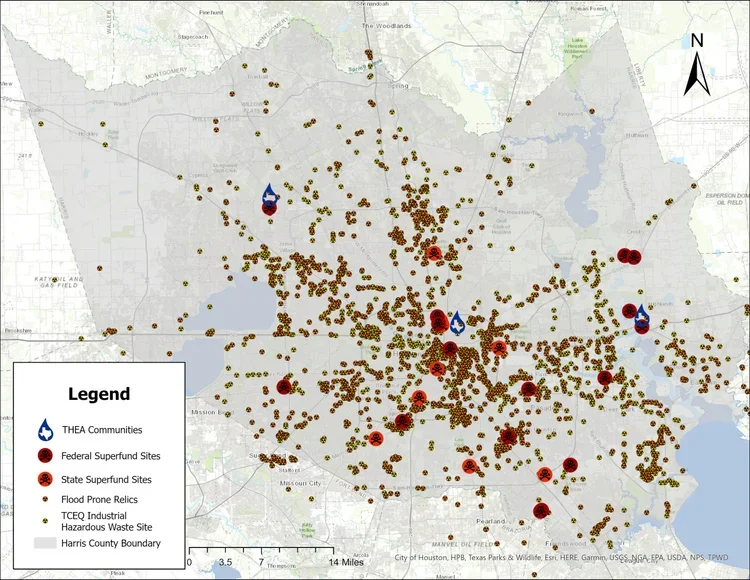
Most of the Superfund Cleanup Sites in Texas are right here in the Houston area. New research shows climate change and increased local flooding could expose our neighborhoods to chemical waste from those existing sites and thousands of abandoned industrial sites.
What makes the Houston area stand out is how many people live close to old industrial sites that may contain toxic chemicals. Neighborhoods in every income level may be exposed.
Learn more about our dedication to legacy waste and public health below.
THEA is the only Houston nonprofit focused primarily on Superfund Sites. Why?

Over half of Texas’ designated sites are in Houston and Harris County. If we don’t fix this together as a community, no one will.
Superfund is the process Congress created to make sure that contaminated lands are cleaned up, whether that means holding polluters responsible or funding the cleanup if the responsible party has gone out of business.
Making Public Health Information More Accessible
Are you concerned about the health of your community and interested in learning more about available environmental or public health data? THEA helps residents navigate the often complex process of understanding local health concerns, interpreting environmental information, and exploring what public data, assessments, or resources may be available in their area. We believe meaningful public participation starts with meaningful access to information.
Harris County’s Cancer Study Update
THEA helped turn years of residents’ concern into action by supporting community requests for more detailed, neighborhood-level cancer data. In March 2026, Harris County released one of the most comprehensive interactive cancer maps available in the nation, giving communities a new tool to explore local cancer data and ask informed questions about environmental health concerns in their communities.
The release of this tool marked an important step toward greater transparency and access to meaningful public health information for communities across Harris County.
Definition: Cancer Cluster
This isn’t just a business—it’s a reflection of what we believe in. We’re here to create work that matters, led by a shared commitment to quality and care.
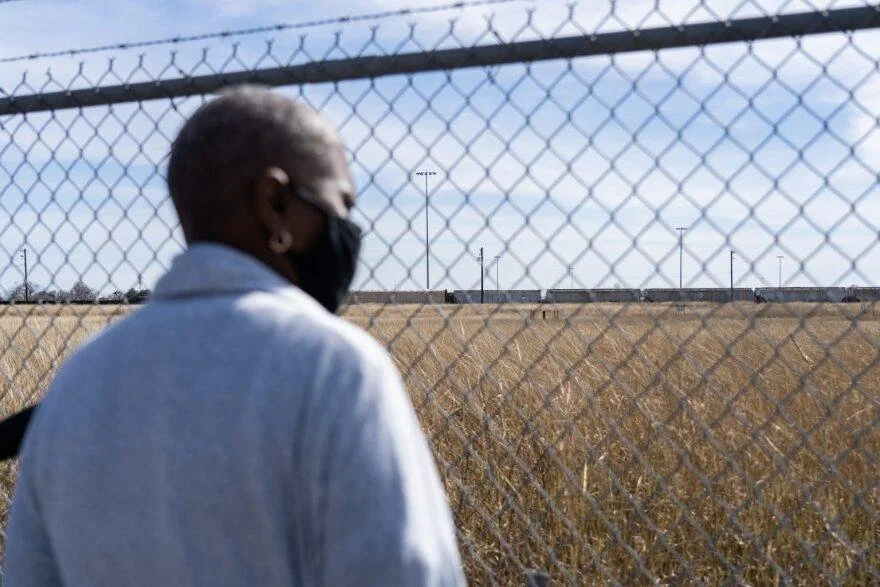
Lucio Vasquez / Houston Public Media
Several houses on Lavender Street have been abandoned after their owners died from cancer. Taken on Jan. 27,2021.
When THEA works to advance the cleanup of Superfund Sites, we are helping reduce chemical exposure and prevent harmful health outcomes for nearby communities. All three areas where THEA has coalitions are cancer clusters.
According to the American Cancer Society, “A cancer cluster is a greater than expected number of related cancer cases that occurs within a group of people in a geographic area over a specific period of time.
Cancer rates are more than just a statistic. They are tragedies that happen to our neighbors, our friends, our families.
In Houston’s Fifth Ward and Kashmere Gardens, children growing up next to a railroad yard are five times more likely to develop leukemia than the state average.
Near the San Jacinto Waste Pits Superfund Site, children growing up next to the river are over sixteen times more likely to develop a rare eye cancer.
Children living around the Jones Road Ground Water Plume Superfund Site are twice as likely to develop leukemia than a community elsewhere in Texas.
Learn more about the connection between severe weather events and toxic waste below.
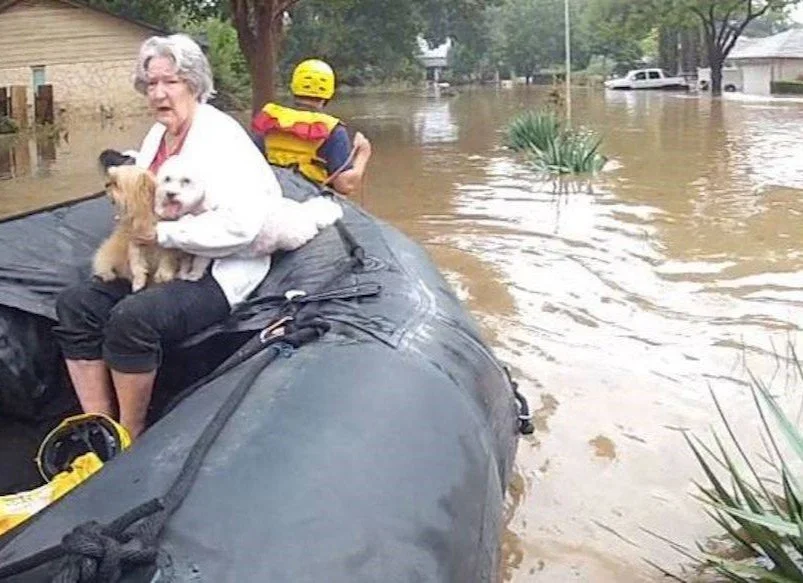
Severe Weather Events/Toxic Waste Connection
Houston Metro has another distinction – It is riddled with old, abandoned industrial sites that can release chemicals into the environment. Harris County holds some 2,000 identified sites. Loose zoning and our rapid population growth mean that nearly a million people could potentially live near - or even on top of – industrial waste.
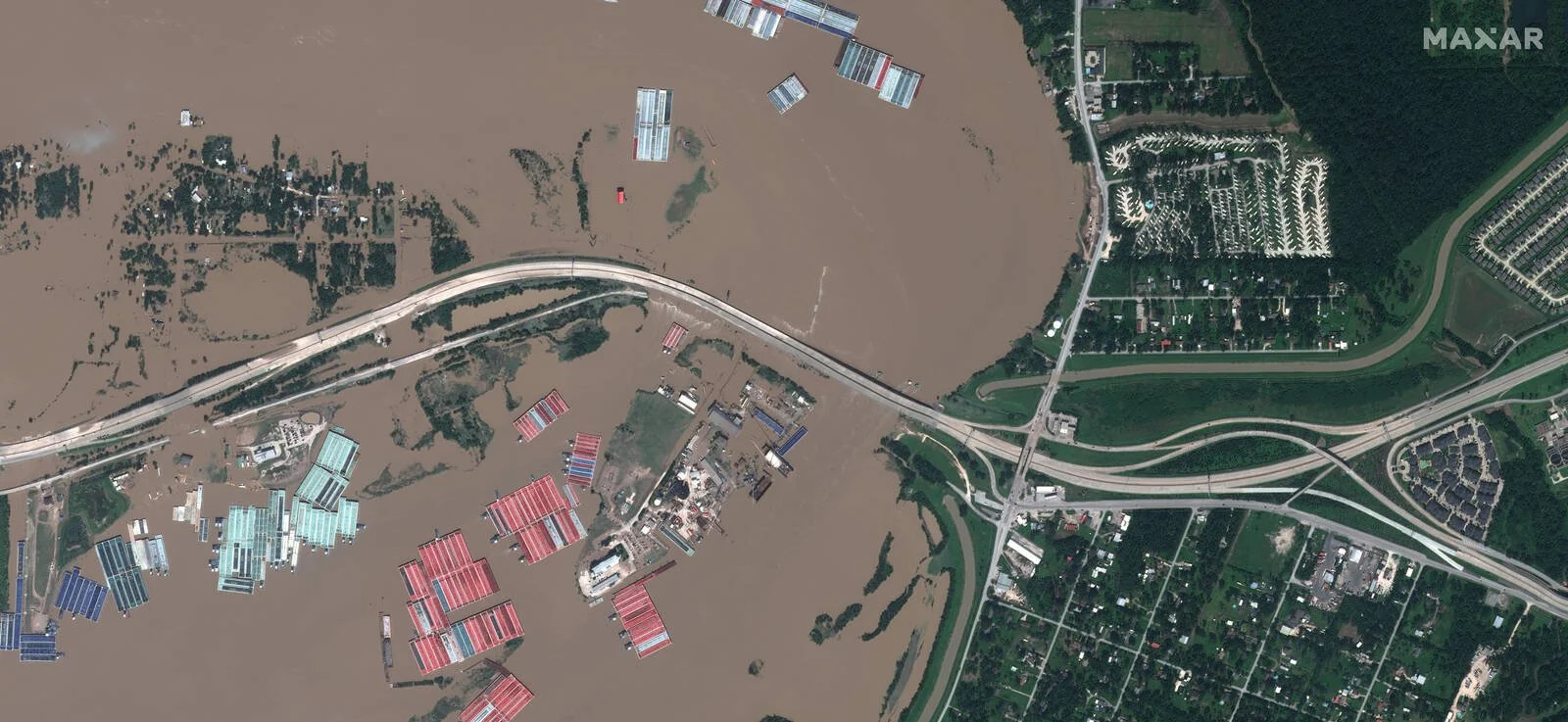
Severe weather events increase our risk. We live on one of the most threatened coastlines in the world. When rising sea levels are combined with land subsidence, some areas could experience the equivalent of up to six feet of relative sea level rise over the next 50 years. In the short term, flooding events like Hurricane Harvey threaten to spread dangerous chemicals from old toxic sites into our streets and our homes.